

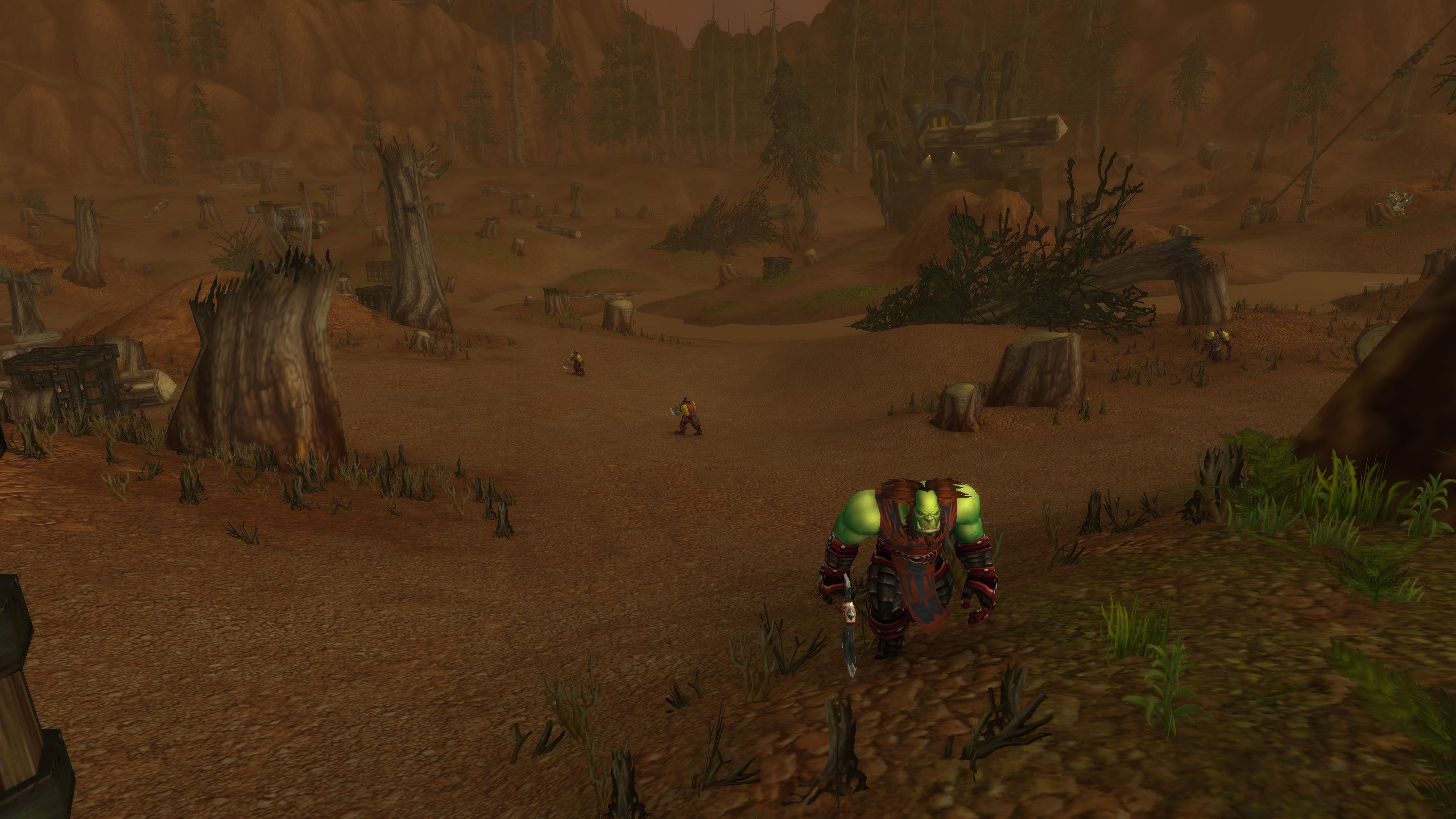
Crafting has shifted from a self-sufficient activity into a network of interdependent roles. As specializations deepen, no single player can cover every demand, and social standing increasingly reflects what a player can provide rather than how much gold they hold.
Reputation, reliability, and niche expertise now define influence within crafting communities.
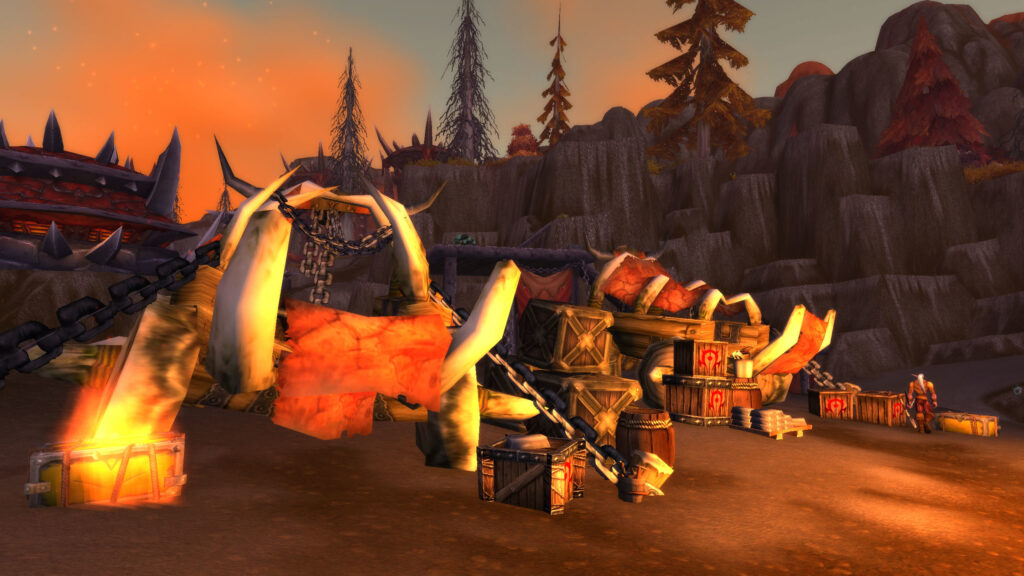
From Universal Crafters to Specialized Roles
Earlier systems rewarded broad coverage. A single crafter could serve most needs with enough time invested.
Specialization breaks that model by forcing meaningful trade-offs.
Value Is Defined by Scarcity
Highly specialized paths create scarcity in specific services. When few players can deliver top-quality results, demand concentrates quickly.
Scarcity translates directly into social leverage.
How Social Hierarchies Form Around Crafting
Influence emerges from consistent contribution.
- Specialists known for best-in-slot results
- Reliable turnaround during peak demand
- Clear communication and transparency
- Repeat clients and word-of-mouth trust
Reputation compounds faster than raw profit.
Capital Cities as Social Hubs
Crafting hubs become informal marketplaces of reputation. Names become recognizable, and social standing persists beyond individual transactions.
Presence matters as much as output.
Collaboration Over Competition
Specialization encourages cooperation between crafters rather than rivalry. Networks form to cover gaps and share demand.
Social capital replaces isolation.
Long-Term Impact on Player Identity
Players begin to identify as specialists first and characters second. Crafting roles become part of social identity.
Status is earned through service, not visibility.
Conclusion
Crafting specializations create new social hierarchies by rewarding scarcity, reliability, and reputation. As professions deepen, influence shifts from wealth accumulation to trusted expertise within player communities.