


While major storylines and cinematic quests receive the spotlight, some of Azeroth’s richest lore is tucked away inside small, easily overlooked side quests. These quiet narrative threads rarely involve major characters or world-shaking events. Instead, they focus on ordinary people, forgotten ruins, local legends, and subtle mysteries that reveal how alive Azeroth truly is. These quests act as windows into the everyday history of the world—stories that don’t change the fate of Azeroth but deepen its soul.
This article explores the side quests that often slip past players yet contain some of the most meaningful narrative details Warcraft has ever crafted.
Small Stories With Big Emotional Impact
The strongest side quests often revolve around everyday people. These stories give weight to the world beyond heroes and villains, showing how ordinary citizens endure war, famine, displacement, or hope. A farmer pleading for help to recover stolen tools or a child searching for a missing pet may not sound epic, but these quests define the lived experiences of Azeroth’s people. They reveal what life looks like for those who aren’t wielding legendary weapons or confronting cosmic threats.
These small glimpses give Azeroth its humanity.
The Hidden Lore Embedded in Local Conflicts
Many side quests reveal ancient feuds, cultural tensions, or regional rivalries. In places like the Barrens, players encounter local disputes that predate faction wars. In Tirisfal Glades, quiet quests hint at forgotten tragedies long before the rise of the Forsaken. In Pandaria, side quests illuminate ancestral conflicts, old grudges, and honor-bound traditions. These local stories don’t appear in major expansions, yet they are essential threads in Azeroth’s vast tapestry.
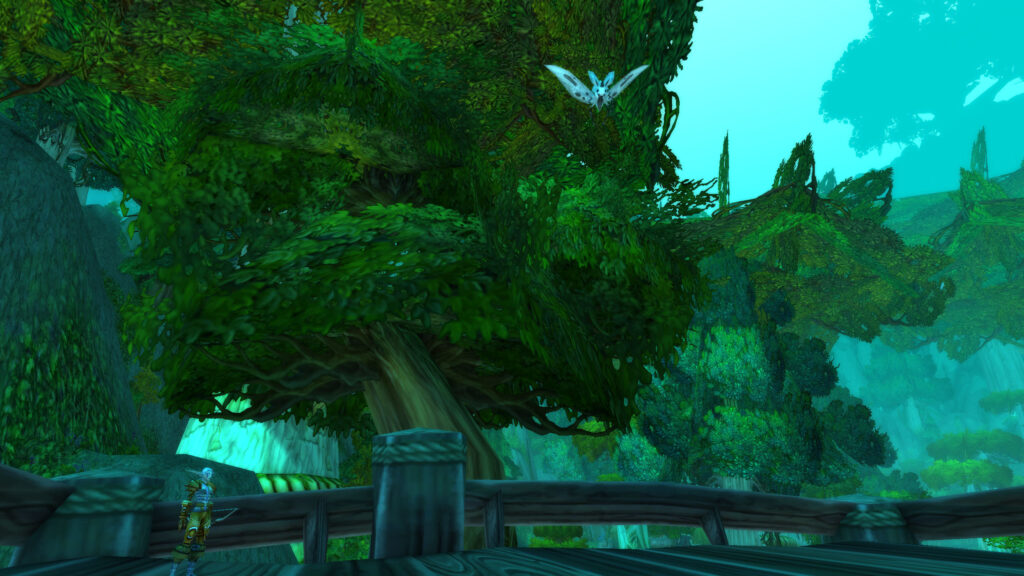
They remind players that history is layered—not everything is written in grand battles.
Side Quests That Explain Environmental Changes
While environmental storytelling often appears through visuals, side quests frequently explain the conditions that created those visuals. Why a forest burns. Why a swamp spreads. Why a village lies abandoned. These quests reveal the causes behind environmental decay, magical distortions, or ecological imbalance. The stories are subtle, rarely cinematic, but they contextualize the land players explore every day.
They transform landscapes into meaningful traces of past events.
- The Desolace restoration quests: Explain how life slowly returns to a barren wasteland.
- Redridge’s militia quests: Reveal how local villagers defend against ongoing threats.
- Azsuna’s academic ruins quests: Show the downfall of ancient elven scholars.
- Stormsong Valley’s fishermen quests: Explore how the tides shape cultural memory.
- Drustvar’s family feuds: Uncover old curses that linger through generations.
Forgotten NPCs Who Carry Hidden History
Some of Azeroth’s most intriguing characters appear only in side quests. A lone wanderer in a desert, an aging soldier guarding a ruined outpost, or an eccentric scholar studying relics—all of them hold small pieces of history that never appear in cinematics. These NPCs often reference lost cultures, minor kingdoms, or personal memories that flesh out the world’s timeline. Players who complete these quests discover stories that major plotlines ignore but are no less compelling.
Their quiet presence enriches the background history that keeps Azeroth believable.
The Joy of Finding Lore in Unexpected Places
Some of the best lore comes from quests hidden deep in caves, isolated islands, or obscure corners of maps. Blizzard often embeds secret questlines behind exploration challenges, rare spawns, or hidden items. These discoveries evoke a sense of personal adventure—lore found not because the game pointed toward it, but because the player wandered off the beaten path. These quests reward curiosity, turning exploration into storytelling.

They invite players to step beyond the main road and into the unknown.
Pandaria: Side Quests as Cultural Windows
Pandaria remains one of the strongest expansions for side quest storytelling. Each zone uses small, local stories to portray cultural depth. Players help brewers perfect recipes, assist farmers with seasonal harvests, restore family heirlooms, or participate in small village rituals. These quests highlight the daily life of pandaren society, emphasizing sincerity, humility, and connection to nature.
Through small tasks, players understand the heart of an entire culture.
Shadowlands: Quiet Stories in a Cosmic World
Even in a cosmic expansion like Shadowlands, some of the most memorable quests occur far from the main narrative. In Ardenweald, a small story about a spirit creature’s renewal hits harder than any major cinematic. In Revendreth, side quests explore guilt and redemption at an intimate, personal scale. These stories provide grounding in an otherwise epic, otherworldly setting.
They remind players that emotional storytelling works even in the grandest cosmic arcs.
The Role of Side Quests in Long-Term Worldbuilding
Side quests accumulate over expansions, adding countless layers to Azeroth. A village’s backstory introduced in Classic might become relevant in a later expansion. A mysterious relic found in a forgotten cave may foreshadow future story threads. The world continually expands not just through major patches, but through the accumulation of small, personal stories tucked into its corners.

This layered storytelling makes Azeroth feel lived-in and authentically ancient.
Conclusion
Forgotten side quests are the quiet backbone of Warcraft’s worldbuilding. They tell small stories that resonate deeply, flesh out cultures, explain environmental changes, and introduce characters who enrich Azeroth’s broader narrative. While they may not appear in trailers or patch notes, they are indispensable pieces of the world’s identity. Each side quest adds a brushstroke to Azeroth’s immense canvas, shaping a world that feels endlessly rich and worth exploring.
For players willing to slow down and listen, Azeroth has stories hidden everywhere.